
Journals
-
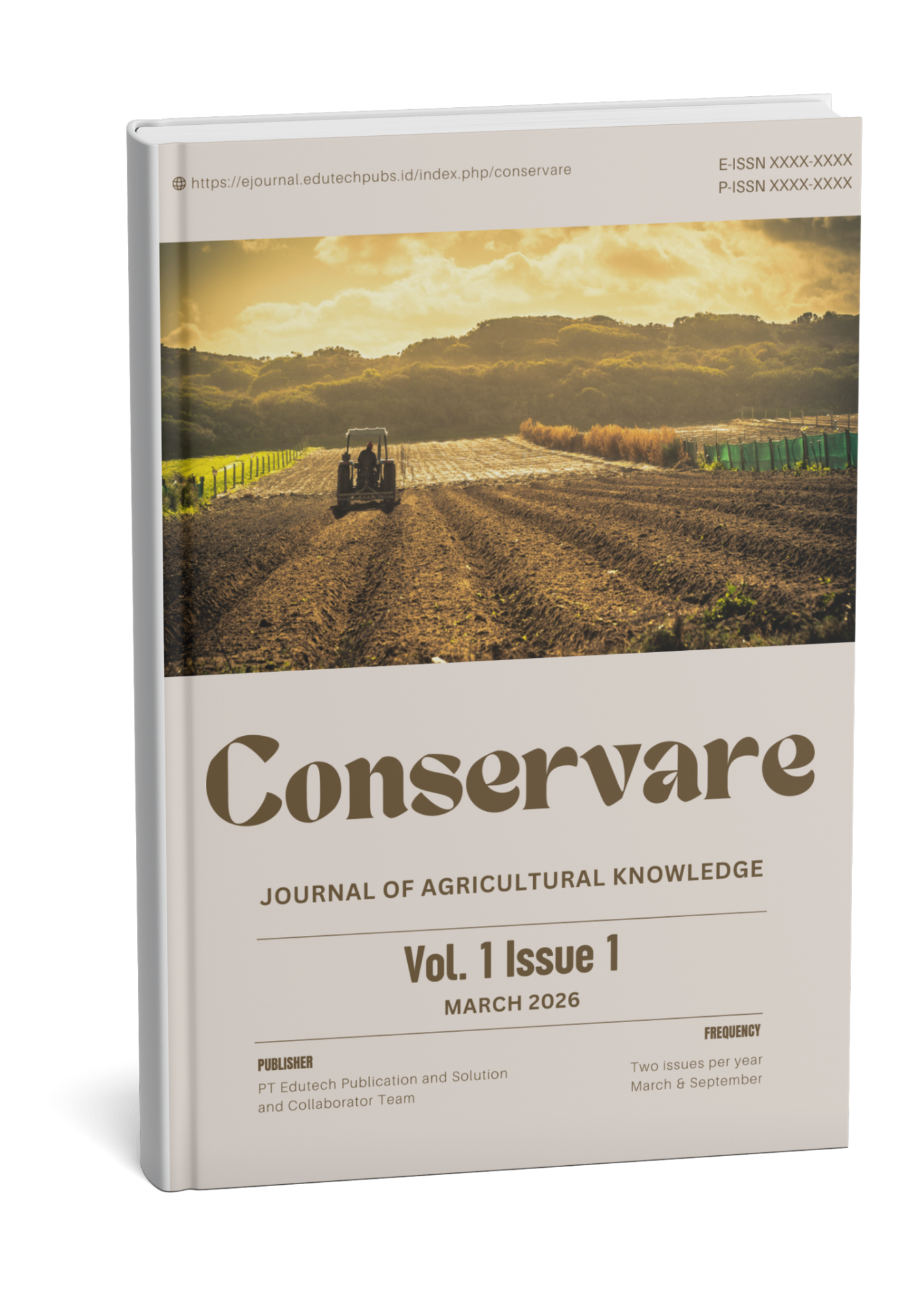
CONSERVARE: Journal of Agricultural Knowledge
CONSERVARE: Journal of Agricultural Knowledge (e-ISSN: 3163-7493, since July 28th, 2026) is a peer-reviewed scientific journal dedicated to advancing broad and integrative perspectives in agricultural sciences. The journal covers sustainable crop and livestock production, soil and water management, agroecology, agricultural biotechnology, climate-resilient farming systems, agribusiness, rural development, and food security. It encourages interdisciplinary research that bridges science, technology, policy, and local knowledge to enhance productivity, environmental stewardship, and socio-economic well-being. The journal welcomes empirical studies, reviews, and innovative approaches that contribute to resilient, inclusive, and knowledge-based agricultural development at local, regional, and global scales.
-
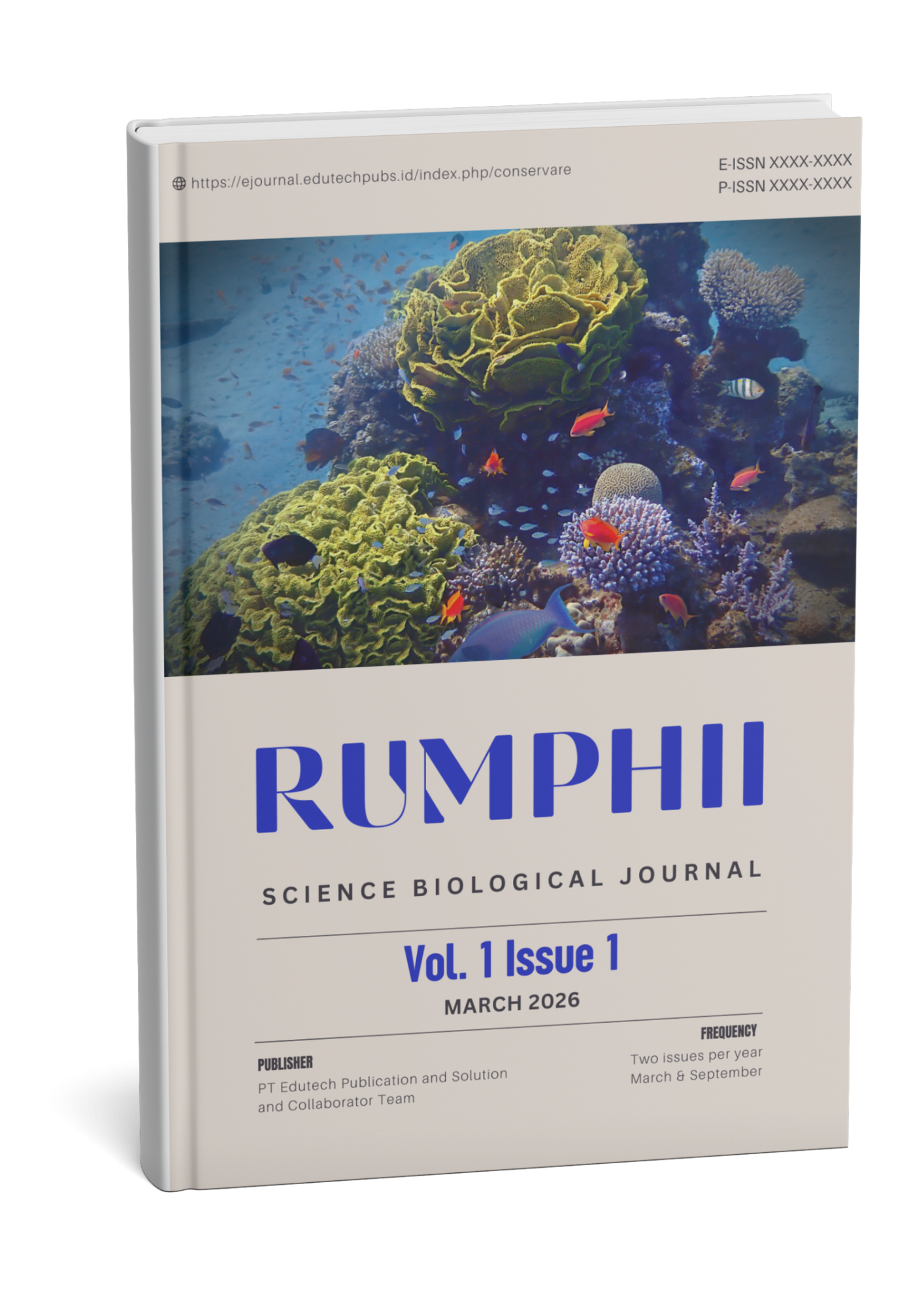
RUMPHII Biological Science Journal
RUMPHII Biological Science Journal (e-ISSN: 3163-7728, since July 24th, 2026) is a scientific journal dedicated to advancing research in the biological sciences and biology education, with a particular emphasis on tropical biodiversity and living systems. Inspired by the legacy of Georg Eberhard Rumphius, the journal promotes integrative and exploratory biological research spanning ecology, taxonomy, molecular biology, biotechnology, environmental biology, and biomedical sciences. The journal welcomes original research articles, reviews, and short communications that contribute to scientific innovation and sustainable resource management. The journal encourages interdisciplinary approaches and regional-global collaboration, particularly in biodiversity-rich regions such as Eastern Indonesia and the Indo-Pacific.
-
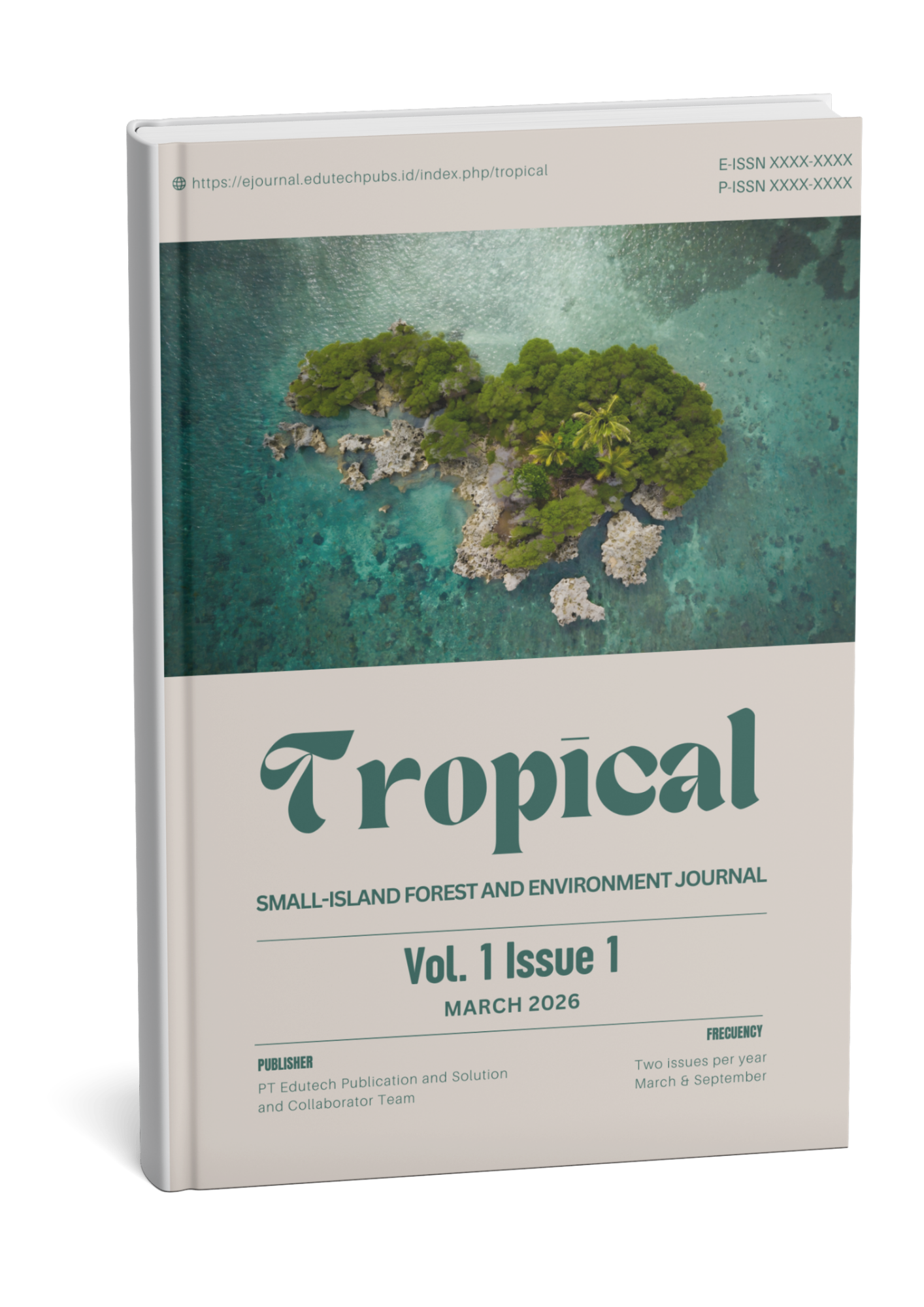
TROPICAL Small-Island Forest and Environment Journal
TROPICAL: Small-Island Forest and Environment Journal (e-ISSN in-progress) is a scientific journal focusing on forest ecosystems and environmental dynamics of tropical small islands. Its scope includes biodiversity conservation, climate change impacts, natural resource management, land rehabilitation, ecosystem services, coastal interactions, and socio-ecological systems. The journal promotes multidisciplinary research involving field studies, modeling approaches, and policy analysis to support sustainability, resilience, and environmentally sound development. It welcomes contributions from academics, practitioners, and policymakers committed to advancing sustainable island futures worldwide and regionally.
-
AGROFERA Agronomical Journal
AGROFERA: Agronomical Journal (e-ISSN: 3163-480X, since July 17th, 2026) is a scientific journal dedicated to publishing original research articles, conceptual papers, and literature reviews in the field of agronomy and applied agricultural sciences. The journal covers a broad scope, including crop production, horticulture, plantation crops, plant breeding, plant physiology, soil science, soil fertility management, seed technology, and sustainable farming systems. It also welcomes studies on agroecology, land and water resource management, integrated crop protection, and agricultural innovations that support food security and climate change adaptation. Agrofera aims to serve as a platform for disseminating knowledge that advances productive, efficient, and environmentally sustainable agricultural practices. All submitted manuscripts undergo a rigorous peer-review process to ensure scientific quality and academic contribution. The journal is open to academics, researchers, practitioners, and students who are committed to advancing agronomy through research-based knowledge and innovation.
-
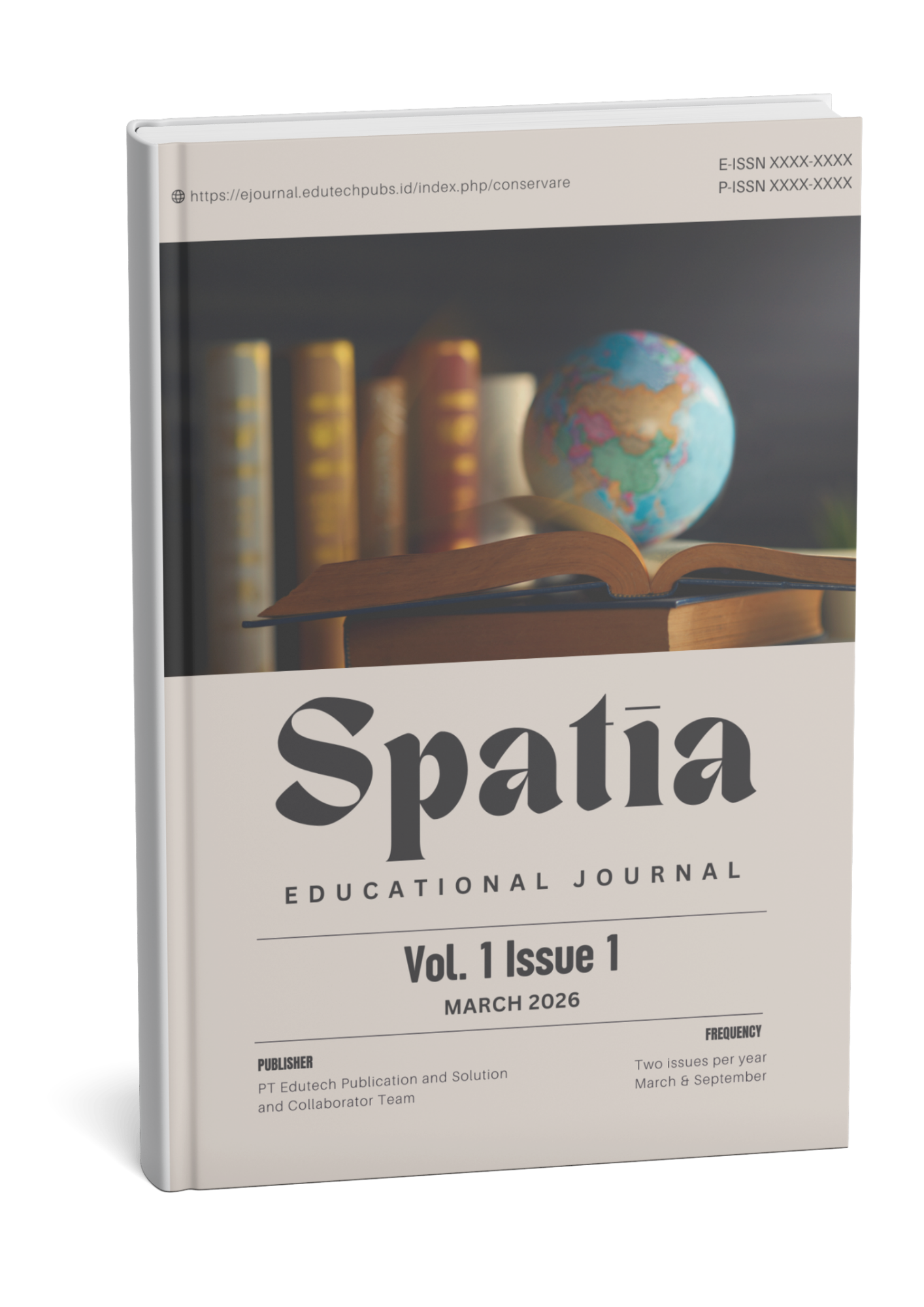
SPATIA Educational Journal
SPATIA: Educational Journal (e-ISSN: 3163-7442, since July 24th, 2026) is a scholarly publication dedicated to the advancement of theoretical and empirical research in the field of education through spatial, contextual, and interdisciplinary perspectives. The journal publishes original research articles, literature reviews, and conceptual papers addressing instructional strategies, curriculum development, educational evaluation, learning technologies, and teacher professional development. SPATIA places particular emphasis on the integration of spatial approaches, environmental perspectives, and local wisdom within educational practices, including geography education, social studies education, and place-based learning. It also encourages studies on the application of digital technologies, geographic information systems in education, and innovative 21st-century learning models that respond to social and global transformations. Upholding rigorous academic standards and a peer-review process, SPATIA: Educational Journal aims to serve as a credible and impactful platform for scholars, researchers, educators, and policymakers to disseminate knowledge, foster academic dialogue, and contribute to sustainable educational development at national and international levels.